David Bogen Company
David Bogen founded David Bogen & Company in New York in 1932. Its first products were intercom systems and sound amplifiers, and by the early 1950s it was best known for amplifiers and public-address systems for schools. That market explains the Bogen character: heavy, conservatively run amplifiers with features hi-fi buyers never asked for, such as several microphone inputs, mixing controls and taps for constant-voltage speaker lines.
Bogen also trained two of the best-known names in American audio. Bernard Kardon joined in 1937 and rose to executive vice-president; Sidney Harman designed public-address systems there and became general manager. In 1953 Harman left after Bogen declined to build better consumer equipment, took Kardon with him, and founded Harman/Kardon.
In 1956 Unitronics bought Bogen together with Presto Recording and ran them as the Bogen-Presto division in Paramus, New Jersey. Siegler bought Unitronics in 1957, and after the 1962 merger that formed Lear Siegler, Bogen became its Bogen Communications division. The Challenger amplifiers, well represented in this archive, were the company's best-known line through that period.
David Bogen Company: quick answers
When was the David Bogen Company founded?
In 1932, in New York, by David Bogen. The first products were intercom systems and sound amplifiers.
Why do Bogen amplifiers have so many microphone inputs?
Most were built for schools and public-address work, so they carry mixing controls, several microphone inputs and taps for constant-voltage speaker lines that a home listener never needed.
What connects Bogen with Harman Kardon?
Bernard Kardon joined Bogen in 1937 and Sidney Harman became its general manager. Harman left in 1953, took Kardon with him and founded Harman/Kardon.
Who owned Bogen in the Challenger years?
Unitronics bought it in 1956 and ran it with Presto as Bogen-Presto; Siegler bought Unitronics in 1957, and after the 1962 merger Bogen became a division of Lear Siegler.
David Bogen Company in the archive
 David Bogen Company
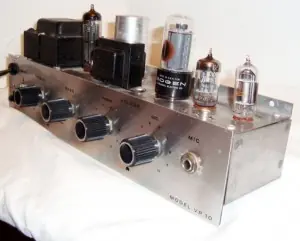
Bogen Presto VP-10 Tube Amplifier
Ten watts from a single 7355, with microphone, guitar and phono inputs.
 David Bogen Company
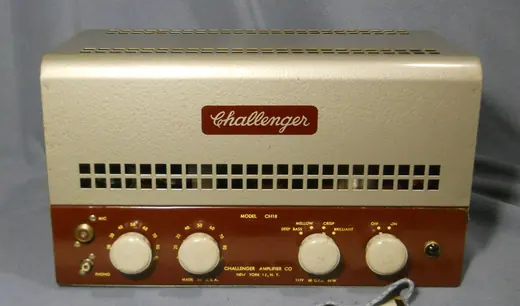
Bogen Challenger CH18 Mono Tube Amplifier
An 18-watt Challenger PA amplifier in unusually clean condition.
 David Bogen Company
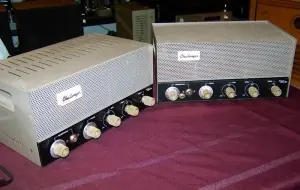
Bogen Challenger CH20 Mono Tube Amplifiers
A pair of small Challengers with 6V6GT output tubes and their original cages.
 David Bogen Company
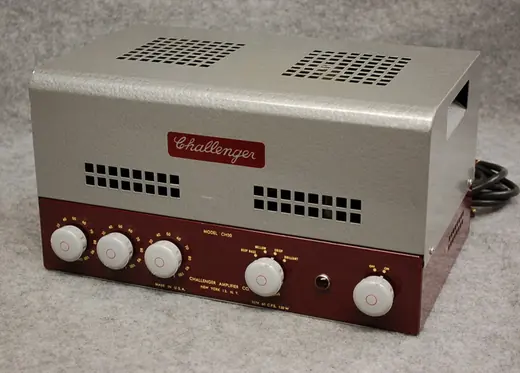
Bogen Challenger CHA-30 Tube Amplifier
A Challenger with its large early 6L6G bottles, praised for guitar and harmonica use.
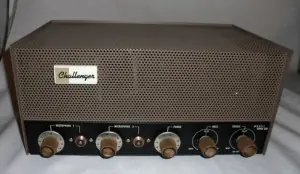 David Bogen Company
Bogen Challenger CHA-35 Mono Tube Amplifier
A repaired Challenger, brought up carefully on a variac, with a low hum to sort out.
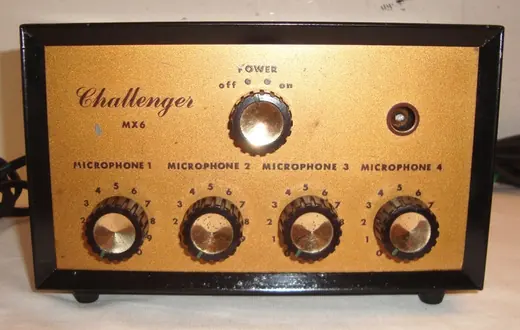 David Bogen Company
Bogen Challenger MX6 Microphone Mixer
A four-microphone tube mixer that fed Bogen power amplifiers in schools and halls.
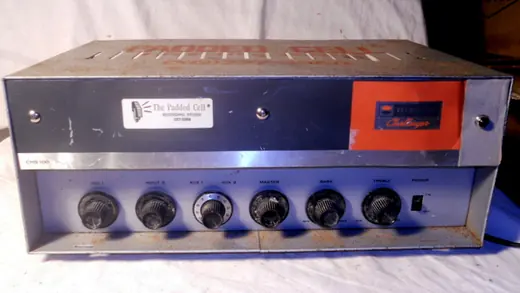 David Bogen Company
Bogen CHB-100 Tube Amplifier
The big Bogen: 100 watts from four 7868 output tubes.
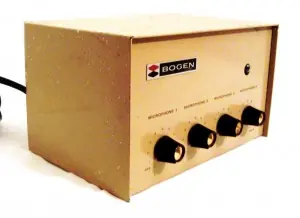 David Bogen Company
Bogen MX6A Tube Mixer, Lear Siegler Era
The later MX6A mixer, from Bogen's years as a Lear Siegler division.
 David Bogen Company
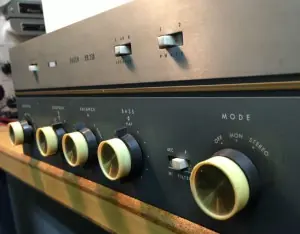
Presto-Bogen DB-230 Stereo Tube Amplifier
A 1959 integrated stereo amplifier with RIAA and 78 phono settings.
 David Bogen Company
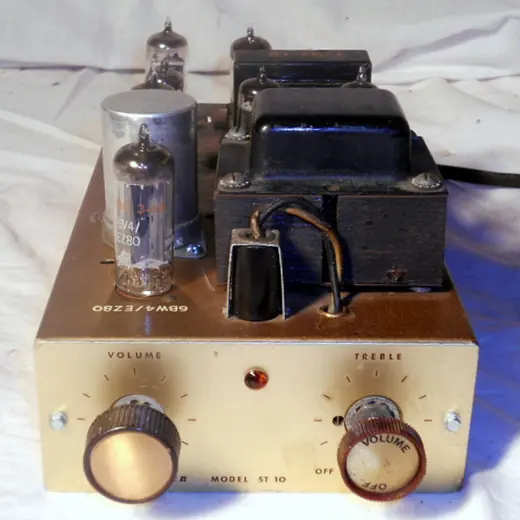
Bogen ST-10 Tube Amplifier
A flexible little Bogen with preamp, cathode-follower and full power outputs.